

Colour Field at VISUAL
A plot of colour-giving plants
Site is open at all times, located behind VISUAL
Free

1 of 6
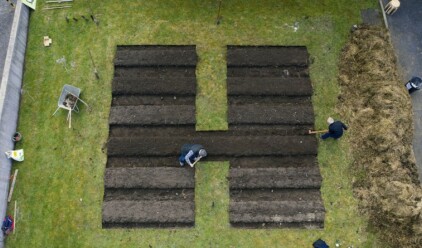
Colour Field is a cultivated garden situated in a fallow paddock at Workhouse Union, Callan, where colour-giving plants are being nurtured. The project is led by curator Hollie Kearns with support from the Workhouse Union team.
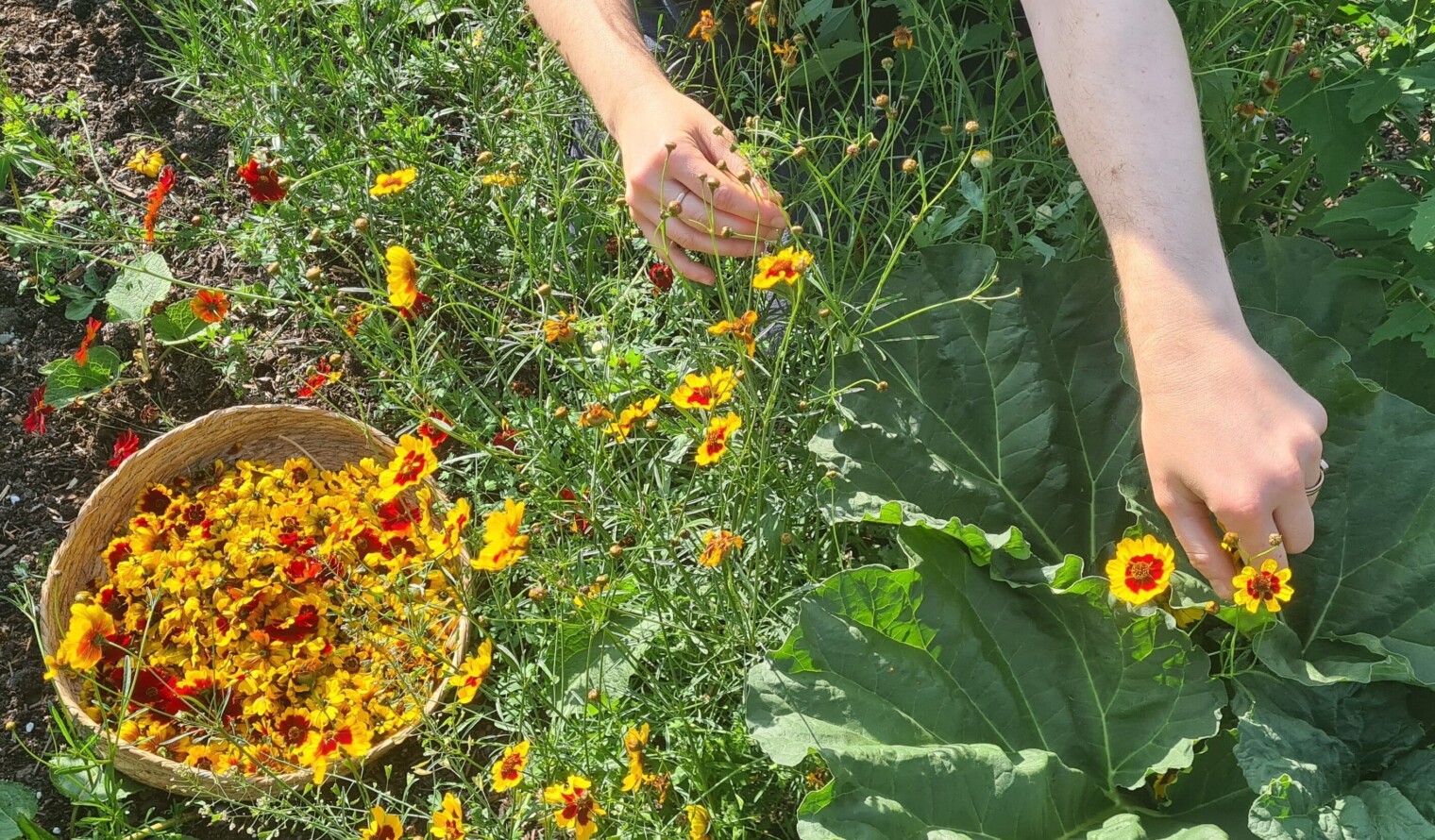
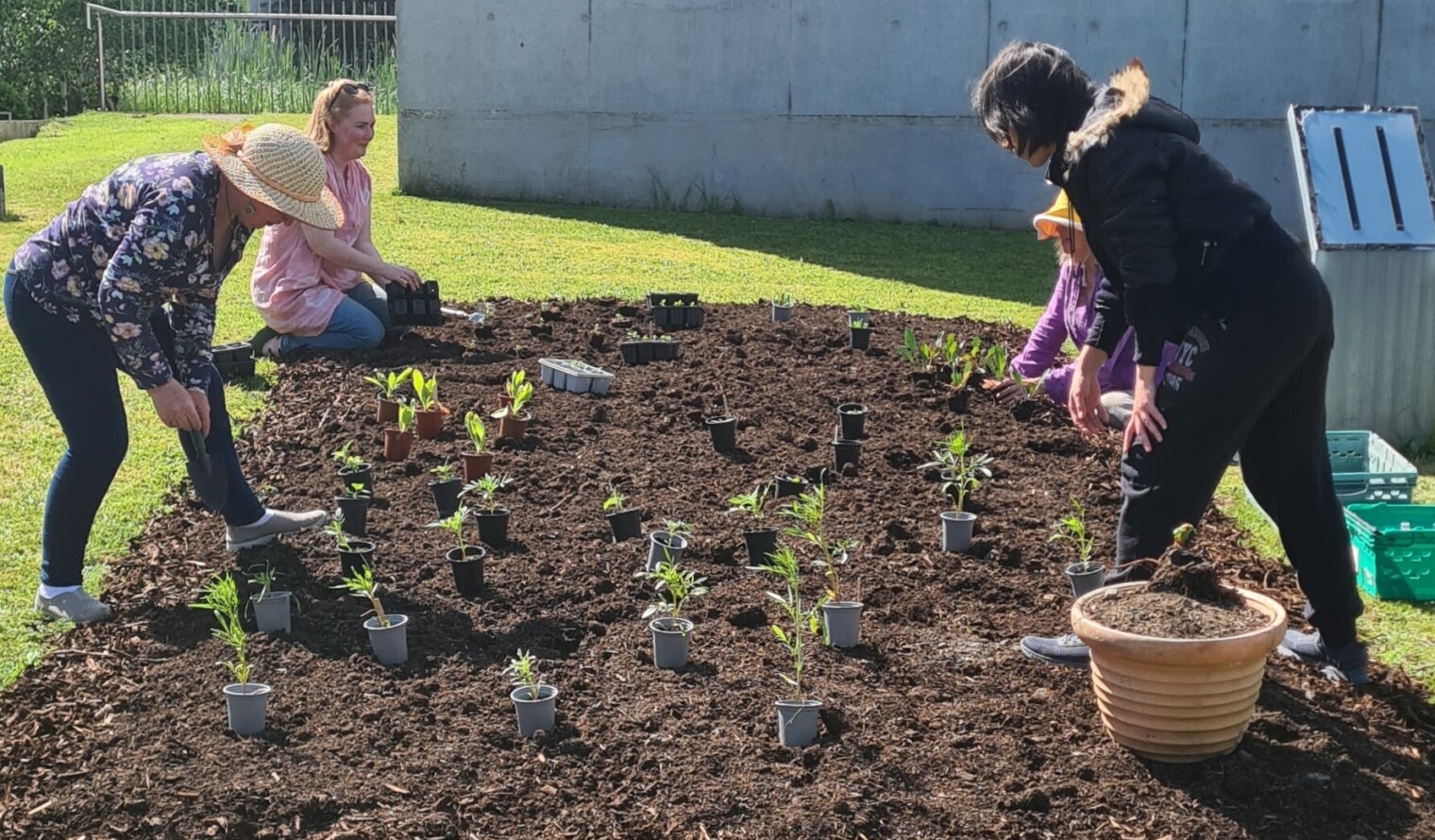
In the experimental plot to your left, Colour Field is collaborating with VISUAL to grow a small garden of colour-giving plants for the Sustainable Futures Summer School. In this bed, you will find a mixture of native and introduced plants; some of these are also edible or medicinal, all give colour. Knowing how to cultivate, forage and use plants helps us to pay attention to the world around us and understand the human entanglement in a thriving, biodiverse landscape.
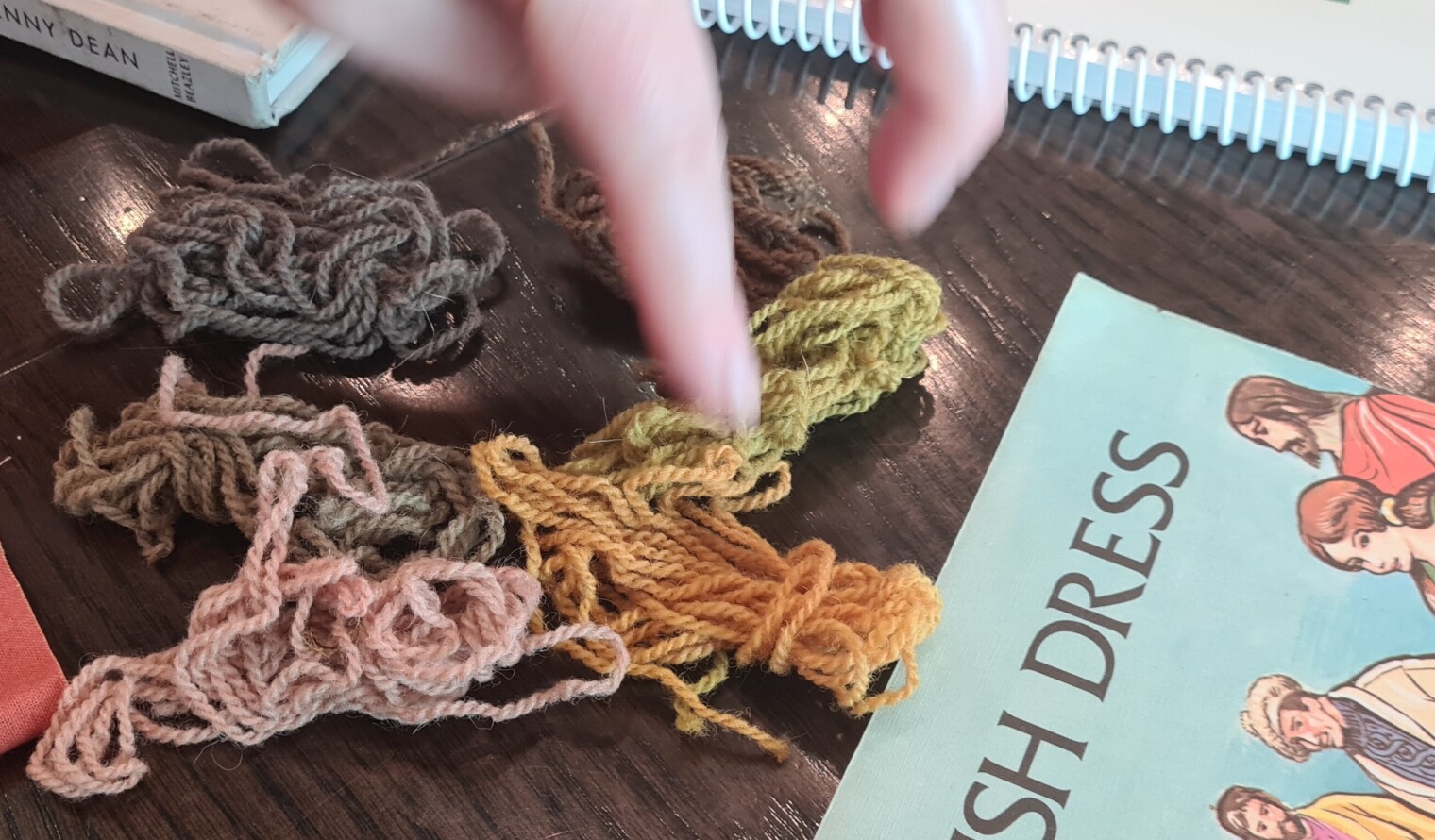
Before synthetic dyes were discovered, in the 1860s, all decorative colour, whether it was as paint on canvas or plaster, inks on paper, textiles dyes, or body paint, were naturally derived; from stone and clay pigments, from shellfish, insects, fungi, lichen and plants. We have a strong heritage of extravagant and colourful clothing in the Irish Celtic traditions. Colour indicated social status, and there is a record in the Brehon Laws of the colours that could be worn according to the five strata of society; with the serf class allowed to wear one colour, and the High King adorned in five to seven colours simultaneously.
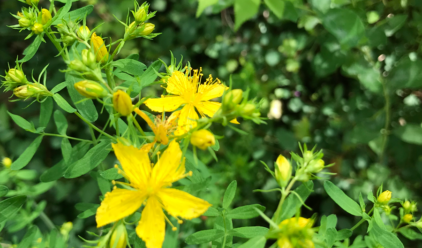
St. John’s Wort is a native medicinal plant, used for healing sore muscles, and anxious minds. The plant is rich in dye compounds; the stamen gives a rich reddish pink colour, whilst flavonoids give a range of yellows and oranges. It’s yellow flowers which are in bloom in late June, are associated with the sun. It is said to be a protective plant, and we celebrate the plant at St. John’s Eve or the Summer Solstice.
Woad is a plant native to Northern Europe which contains the indigotin compound also found in Indigo. It was used by the Picts to colour their faces blue going into battle. Extracting blue from Woad is a complex chemical process, and it was a prized plant dye in Celtic Ireland. We have also planted Japanese Indigo, an indigotin containing plant originally from South East Asia.
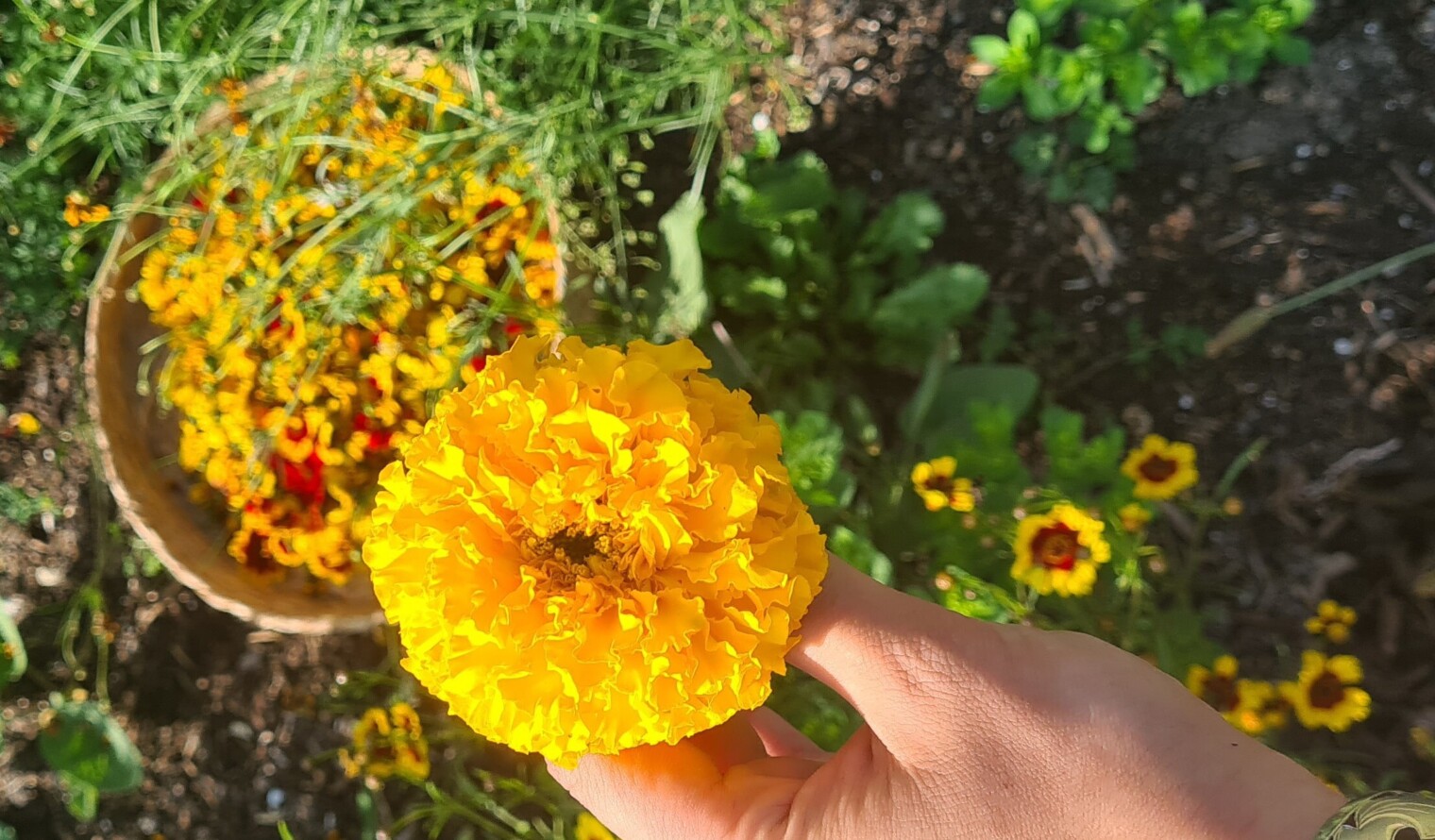
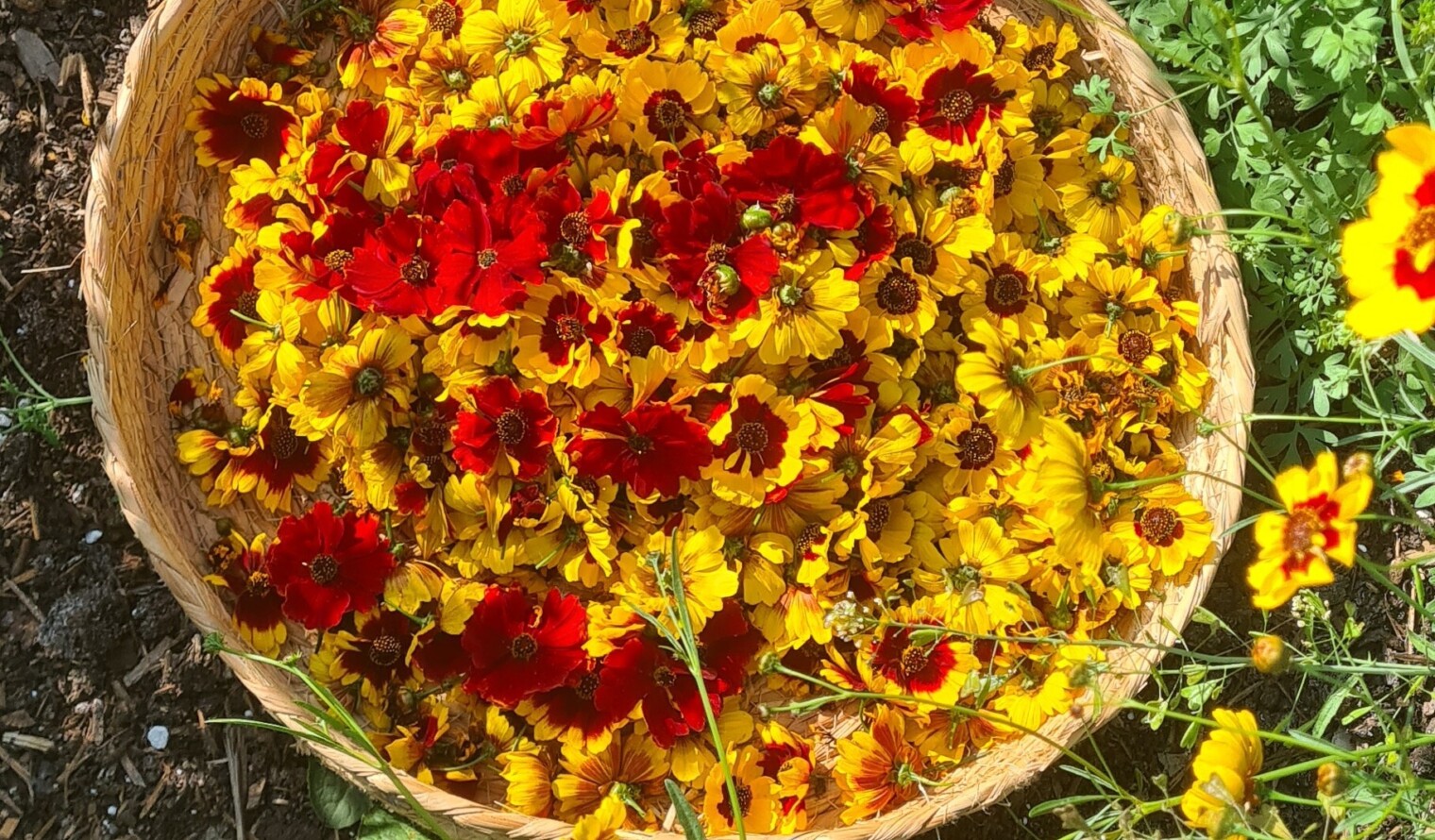
Weld is a plant with a rich heritage in Ireland, as it gives strong and consistent yellow colours. It has a two year cycle, with the colour coming from the tall second year plants. Tansy is a naturalised Northern European plant which also gives yellow. Introduced plants include African Marigold and Dyer’s Coreopsis which are native to Mexico and Central America.
This plot was planted during a planting Meitheal on 28th of May 2026.
You may also like
Colour Field Planting Meitheal*
Communtiy planting workshop
Friday 29 May 2026, 10am - 1pm
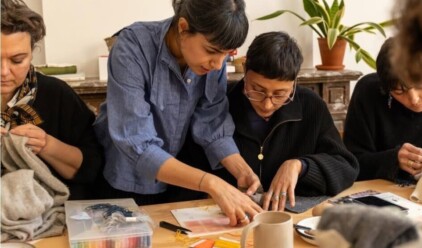
Sustainable Futures Summer School
Relearn forgotten practices and processes and reconnect with the land, nature and each other.
29 May - 13 Aug 2026
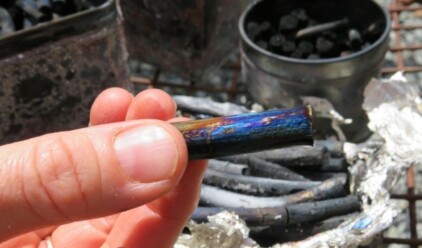
Materials Matter
Workshop series at VISUAL exploring sustainable art materials
Summer 2021
Sustainment Experiments: THE PLOT
Deirdre O'Mahony's project on the grounds of VISUAL 2021 - 2024
2021 - 2024